The Evolution of Banking: A Digital Shift
The United States boasts an impressive network of over 72,000 bank branches, but how often do you find yourself stepping into one? If you can't recall the last time, rest assured—many others are in the same boat.
From Traditional to Digital: A Banking Revolution
In recent times, especially spurred by the COVID-19 pandemic, the banking scene has shifted significantly towards digital platforms. As revealed by a PwC survey, online-only banks now account for 20% of primary banking relationships in the U.S., doubling from just 10% in 2019. This raises an intriguing question: what do the traditional banks have to offer that their online counterparts cannot?
The Strength of Brick-and-Mortar Banks
Traditional banks, often referred to as “brick-and-mortar,” have physical locations where customers can enjoy a range of services beyond what most online banks provide. While online banks are primarily accessible through websites and mobile apps, they often lack the comprehensive experience that a physical bank can offer. For those considering the switch to a digital-only bank, here are four distinctive advantages that traditional banks offer.
Cash and Check Services You Can Count On
If depositing cash or handling checks is part of your routine, sticking with a brick-and-mortar bank is probably your best bet. Many online banks do not accommodate cash payments, and their check services might be more limited than you require. Whether it’s obtaining checkbooks, making coin deposits, or accessing cash directly from a teller, traditional banks provide a variety of paper-based financial services.
Speedy Access to Your Funds
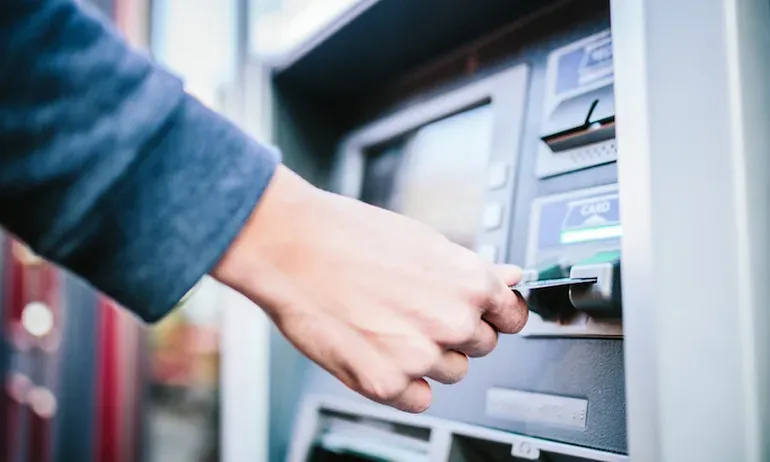
One of the significant benefits of visiting a bank branch is the quick access to funds. Depositing checks directly at an ATM or the bank can often allow for same-day availability, unlike mobile check deposits, which can take longer to process. This immediacy is especially valuable during urgent financial situations.
Papercuts and Payments: The Need for Checks
Even if cash isn’t a regular part of your transactions, a traditional bank can be essential when dealing with paper payments. Many service providers, like contractors or event venues, might only accept checks, making it necessary to have an option to write one. Moreover, if you encounter issues with mobile deposits, having a physical bank to assist can prove invaluable.
Exploring Services Unique to Traditional Banks
While online banks may offer basic banking services such as checking and savings accounts, they frequently lack additional features that traditional banks excel in. Here are three key services exclusive to brick-and-mortar banks:
- Safe Deposit Boxes: Ensure your valuables are secure in a bank’s reinforced vaults rather than a personal space.
- Foreign Currency Services: Need cash while traveling abroad? Traditional banks are more likely to provide foreign currency exchanges.
- Wire Transfers: For significant or time-sensitive transfers, the reliability of doing this directly at a bank branch can be a source of reassurance, especially when closing on important transactions.
Your Banking Strategy: A Hybrid Approach
There’s no need to choose one banking method over another. Many people benefit from a combined strategy, using an online bank to take advantage of higher interest savings rates while keeping a traditional bank for easy access to physical branches. This way, you can enjoy the best of both worlds, making your banking experience truly tailored to your needs.