```html
The Evolution of Payment Technology: A Decade of Transformation
What was once considered cutting-edge may now seem like second nature. The act of merely tapping a credit card or holding a smartphone above a checkout terminal doesn’t strike us as particularly revolutionary anymore. However, rewind the clock just ten years, back to a time when features like these were unconventional, puzzling, and sometimes even deemed risky in the bustling marketplace of the United States.
Adapting to Change: Consumer Resilience
Since 2015, the transformation in credit card technology has been remarkable, and American consumers have taken it all in stride. "The evolution we've seen in consumer behavior surrounding these innovations is incredible," notes Seth Perlman, the global head of product at i2c Inc. Yet, he acknowledges that the road to this transformation wasn’t entirely seamless.
The Rise of EMV: A Game-Changer in Security
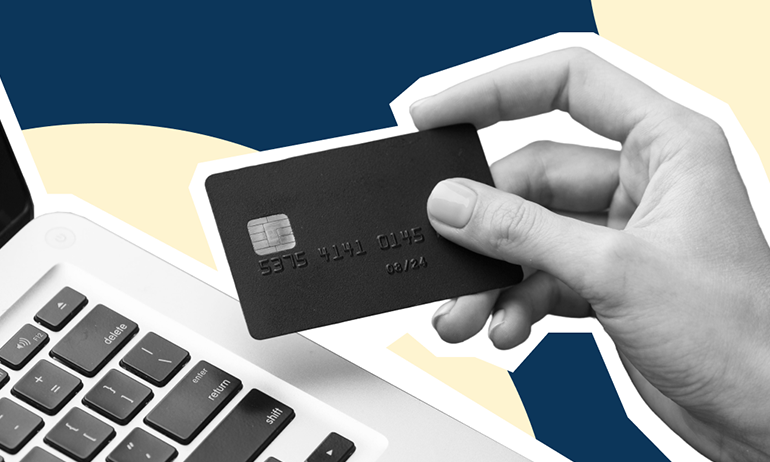
Among the significant advancements in the past decade has been the widespread adoption of EMV-enabled cards—an innovation designed to combat the rampant issue of credit card fraud. EMV stands for Europay, Mastercard, and Visa, the trinity of giants behind this technology. These cards are imbued with tiny microchips that generate encrypted data, requiring users to 'dip' their cards into readers, moving away from the outdated magnetic stripe swiping method that was once so commonplace.
A Moment of Hesitation: Will We Know What to Do?
Despite their success in other parts of the globe, EMV cards were still unfamiliar in the U.S. until around 2015, sparking worries about whether consumers would adapt seamlessly. The apprehension was palpable, but contrary to expectations, Americans adjusted without a hitch. By 2022, 69% of all issued cards were equipped with EMV technology, and the assigned data shows that an impressive 93% of physical card transactions worldwide were made using EMV chips.
Motivating Factors: Liability Shift Influences Change
The tide turned thanks to changes in liability— once EMV was implemented, the responsibility for fraud no longer fell solely on card issuers but also shifted to merchants who hadn’t adapted their systems. Faced with potential losses, businesses had every incentive to modernize their payment infrastructure.
Travel Chronicles: The Chip-and-PIN Dilemma
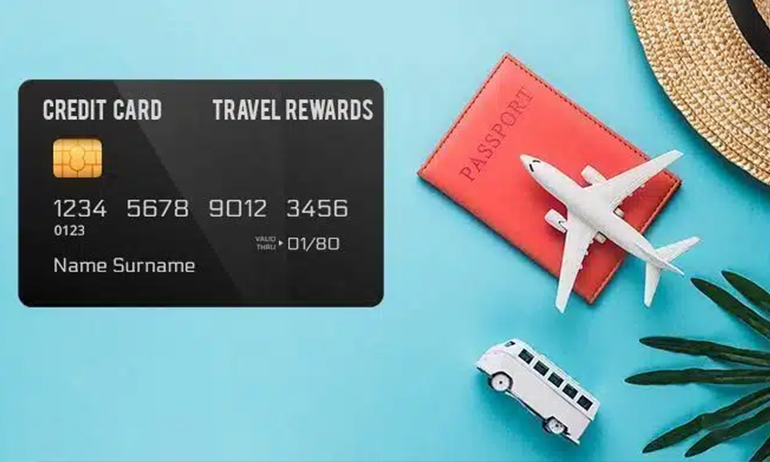
In those initial years, frequent travelers were often advised to secure cards that supported "chip-and-PIN" capabilities due to varying international requirements. In the U.S., cardholders would simply dip their cards and sign, while in many other parts of the world, a PIN was needed for additional security. This discrepancy created challenges for Americans navigating automated services abroad. However, as international acceptance has evolved, both chip-and-signature and chip-and-PIN options have become standard fare, minimizing concerns for travelers.
The Digital Revolution: A New Payment Era
Fast forward a few years, and innovations such as virtual card numbers and buy now, pay later services have gained traction, particularly catalyzed by a growing desire for contactless payment methods amidst the COVID-19 pandemic. According to a 2024 McKinsey & Co. digital payments survey, a striking 92% of U.S. consumers have engaged with digital payments over the past year.
Challenges Persist: Bridging the Digital Divide
However, the narrative isn’t devoid of bumps in the road. While consumer adoption soared, some businesses have struggled to keep pace. J.D. Power's 2024 merchant services satisfaction study revealed that only 57% of small U.S. businesses accepted digital wallets, a stark contrast to the 94% that accepted physical cards.
Security Concerns and Incentives: Winning Consumer Trust
Even as adoption rates grew, initial skepticism around digital payments lingered. Questions about security and potential loss of credit card rewards arose. Fortunately, mobile wallet payments have proven remarkably secure, utilizing sophisticated encryption to safeguard your genuine credit card information. Nowadays, many credit cards not only address initial concerns but actively promote mobile wallet use by offering enhanced rewards for payments made through this method.
Embracing Flexibility: Instant Access and Payment Options
The allure of immediate access to credit lines and the flexibility offered by services like buy now, pay later have made these payment options particularly appealing, exemplifying how far we’ve come in just a decade of digital payment evolution.
```