Change of Course in Texas: Gender Marker Restrictions Tightened
As of August 2024, the state of Texas has tightened its grip on gender markers, now prohibiting residents from altering their gender designations on driver's licenses or state IDs, regardless of any supporting court orders. This shift adds another layer of complication for individuals navigating their identity through official documents.
A Nonbinary Milestone: Passport Updates
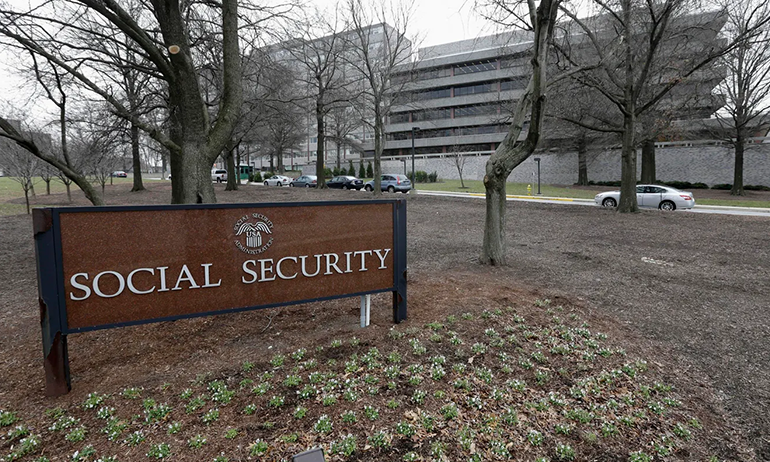
In a groundbreaking move, the State Department unveiled a nonbinary 'X' gender marker for passports back in April 2022. This prompted Ruth Carter, a nonbinary attorney from Arizona, to swiftly revise their passport. Having already updated their birth certificate in California, Carter hoped that the change would simplify their journey in securing an Arizona driver’s license. Yet, a significant obstacle arose when it came to updating their Social Security card.
A Frustrating Encounter
Despite assurances from a phone representative that a nonbinary option was available, Carter encountered a different reality during their in-person appointment. Faced with conflicting information, they were forced to leave their Social Security details untouched, which resulted in a frustrating mismatch with their other identity documents.
The Chaos of Conflicting Policies
This ordeal underscores a perplexing web of inconsistent federal and state policies, leaving many feeling lost and uncertain about their official identities. Whether booking a flight or enrolling in healthcare, nonbinary individuals often find themselves grappling with binary options that overlook their lived experiences, leading to emotional tolls and financial strains.
Looking Ahead: The Search for Options
In October 2022, the Social Security Administration hinted at potential changes, investigating the feasibility of introducing a nonbinary 'X' marker. According to the Williams Institute, around 1.2 million Americans identify as nonbinary, illuminating the urgent need for more inclusive identification policies.
A Patchwork of Confusion
The disparity in regulations between federal and state levels creates a quagmire for many. For instance, while passports can feature the 'X' gender marker, states like Oklahoma have outright banned nonbinary designations on birth certificates, and other states have imposed strict limits on ID updates. This chaotic landscape amplifies the strains of systemic oppression faced by many nonbinary individuals.
Impact on Daily Life
For Rex Wilde, a consultant based in Los Angeles who specializes in LGBTQ+ initiatives, the lack of a standardized option continues to conjure anxiety. Their experience is telling of a broader struggle: navigating societal perceptions based on fluctuating gender markers leads to uncomfortable scenarios and potential misunderstandings when interacting publicly.
The Psychological Toll
Research emphasizes the mental health ramifications linked to these identity inconsistencies. A 2023 study revealed a direct correlation between feelings of invalidation and mental health woes among nonbinary individuals. Another study found that consistent identification can significantly reduce psychological distress and suicidal ideation.
Professional Repercussions
For Carter, mismatched documentation inhibits career prospects, exemplified by their inability to pursue a notary position in Arizona due to online application constraints tied to gender markers. Every denial represents not just a professional obstacle but also a loss of potential income.
Healthcare Complications
Navigating healthcare can be equally challenging, as mismatches in documentation may complicate insurance coverage for necessary treatments. Wilde notes that healthcare needs often clash with recorded gender markers, complicating access and potentially leading to financial burdens.
The Need for Federal Standardization
To foster genuine recognition and support for LGBTQ+ rights, consistent federal action is crucial. Though the Social Security Administration has yet to respond to inquiries regarding the status of nonbinary gender markers, the urgency of this matter has prompted continued outreach from concerned individuals like Carter.
In Search of Equitable Solutions
Carter's journey reflects a broader narrative of nonbinary individuals being forced to navigate a world that often denies the validity of their identities. The lack of adequate options can impact various aspects of life, leading to significant decisions—like opting out of medical insurance—due to the unavailability of inclusive coverage. A uniform federal nonbinary marker could help alleviate many of these challenges, paving the way for a more accepting and equitable future.