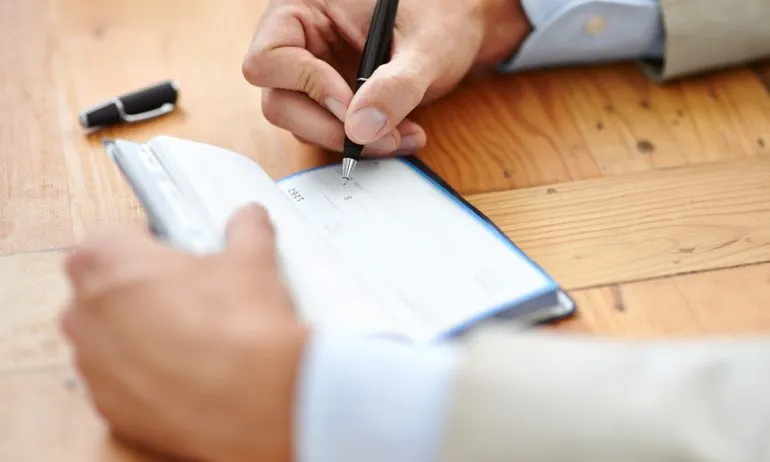
Postdating a Check: The Illusion of Control
Picture this: you’re about to hand over a check to your landlord, but the funds in your bank account are looking a bit sparse. In a moment of desperation, you decide to postdate the check, writing a future date in hopes that your paycheck will miraculously arrive in time to cover it. However, here’s the twist: postdating doesn't delay the cashing of that check. Your landlord can deposit it immediately, regardless of the date you scribbled at the top.
Understanding the Legal Landscape
Eric Hintz, a criminal defense attorney from Sacramento, California, notes that postdating a check isn't inherently illegal. What could land you in hot water is the intent behind the act—if you deliberately write a check knowing you lack the funds, that’s where you might tread into fraudulent territory. Unfortunately, even if you're not breaking any laws, giving your landlord a postdated check can lead to unnecessary headaches and tension if you can’t cover it when it's cashed.
The Landlord's Perspective
Matt Foster, a landlord in Ventura, California, shares his experiences with tenants who send checks dated for the first of the month, often just days before it’s due. He suspects they do this to buy themselves a little more time, ensuring they don’t have to watch the dreaded bounce notification. Luckily for them, Foster chooses to wait before cashing these checks, but the law doesn’t require him to extend this courtesy. In fact, most banks will process such checks as soon as they receive them.
Financial Institutions and Postdated Checks
Banks and credit unions have their own takes on postdated checks, often outlined in their account terms. Many mainstream banks explicitly state they can honor checks dated for a future time. The Uniform Commercial Code (UCC) gives financial institutions the authority to process checks, regardless of the date. However, some banks may be willing to accommodate requests to hold off on cashing a specific check based on the circumstances and state laws.
Facing the Consequences
Should your check bounce—regardless of whether it’s postdated—you can expect one of two outcomes: your bank may either cover the payment, resulting in an overdraft fee, or let the check bounce, leading to potential late or bounced check fees for you. This situation can quickly spiral, but typically, the aftermath isn’t disastrous. To preemptively dodge the overdraft pitfalls, consider banking with institutions that offer favorable overdraft policies.
Smart Strategies Over Postdating
If you’re tempted to rely on postdating a check, it might be time to adopt a more strategic approach. Here are three practical alternatives:
1. **Communicate**: Have a candid chat with the recipient of the check—whether it's your landlord or a friend. Explain your situation and see if they are open to accepting payment at a later date.
2. **Go Digital**: Opt for electronic transfers or online bill payments. This method allows for more accurate timing and eliminates the worry of funding issues.
3. **Stop Payment**: Consider requesting a stop payment from your bank on the check. While this service might come with a fee, it gives you control over your financial obligations, provided you notify them in time.
The Bottom Line
In the fast-paced world of banking, relying on postdates or expecting processing delays is a gamble you might not want to take. With digital transactions speeding through the system, waiting for your check to clear is a thing of the past. Instead, embracing proactive financial habits can keep you in control and out of trouble.